Why Commercial Kitchen Fire Safety Depends on Your Exhaust System
The Hidden Risk Behind the Sizzle
Walk into any busy restaurant kitchen and you will hear the same rhythm: orders shouted, pans clattering, oil hissing against hot steel. What you do not hear is the exhaust system working overhead. That hood, those filters, the fan on the roof, they run in the background, often ignored until something goes wrong. When something goes wrong in a kitchen, it usually starts with grease. And grease fires are not like other fires. They spread fast, burn hot, and produce thick, toxic smoke. That is why commercial kitchen fire safety starts not with a fire extinguisher, but with the exhaust system itself.
Grease Does Not Just Disappear
Cooking oil breaks down under heat. Vaporized grease rises into the air, hits the cooler surfaces of the exhaust hood, and condenses. Over time, that condensation builds into a sticky, flammable layer inside the ductwork. This is grease buildup. It is the single most common fuel for kitchen fires in commercial settings. A clean exhaust system removes that fuel. A dirty one provides the perfect environment for a fire to start and spread.
I have spent years walking through restaurant kitchens, inspecting exhaust systems that were last cleaned months past the required date. The buildup is not just unsightly. It is a fire waiting for a spark. A failure in the hood suppression system, a momentary flare-up from a fryer, or even a short in an exhaust fan motor can ignite that grease. Once lit, the fire travels through the ductwork like a fuse. By the time anyone notices, the fire may already be inside the walls or roof.
The Standard That Changed Everything: NFPA 96
NFPA 96 is the national standard for fire safety in commercial kitchen exhaust systems. It covers everything from the design of the Type I hood to the frequency of cleaning and the documentation required. The standard exists because the fire service and insurance industry saw the same pattern over and over: dirty exhaust systems caused fires that could have been prevented.

One of the most important parts of NFPA 96 is the Bare Metal Standard. This rule requires that after cleaning, all interior surfaces of the exhaust system must be free of any visible grease, dirt, or residue. The metal must be bare to the touch. No streaks, no film, no hidden patches. This is not about cosmetic appearance. It is about removing the fuel source so that if a fire starts, it has nothing to feed on.
Many operators think that a quick spray of degreaser and a wipe of the grease filter is enough. It is not. The Bare Metal Standard applies to the entire system: the hood interior, the ductwork, the exhaust fan housing, and any fire dampers along the path. If a cleaning crew cannot reach a section, that section is a risk.
Components That Work Together
A commercial kitchen exhaust system is more than a metal box over the stove. It is a coordinated set of parts, each with a specific role. The Type I hood captures grease-laden air. The grease filter traps the largest particles before they enter the duct. The exhaust fan pulls the air up and out of the building. The fire damper is designed to close automatically if a fire is detected, blocking the path of flames.
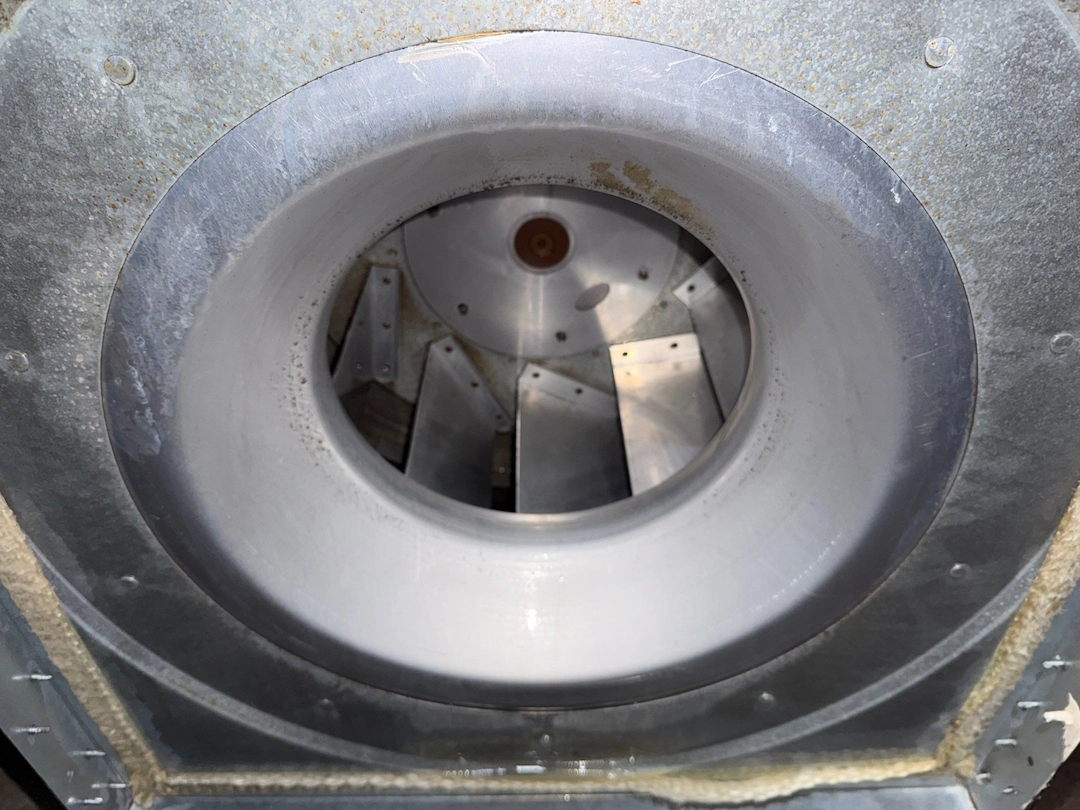
But every component needs to be clean and functional. A clogged grease filter forces more grease into the ductwork. A fire damper stuck open with grease cannot close when needed. An exhaust fan caked with residue spins slower and less efficiently, reducing airflow and allowing heat to build up. I have seen kitchens pass annual inspection only because the inspector could not reach the fan. That is not a pass. It is a gamble.
Suppression Systems: The Second Layer
Beyond cleaning, most commercial kitchens rely on a hood suppression system. The most common type is the Ansul system, which uses a wet chemical agent stored in a tank above the hood. When a heat sensor in the hood detects a rapid temperature rise, it triggers the system. The chemical is released through nozzles aimed at the cooking surfaces and duct openings. It smothers the fire and cools the surfaces to prevent re-ignition.
These systems are UL 300 listed, meaning they have been tested to meet the latest performance standards. But a suppression system is not a substitute for a clean exhaust. If grease buildup is thick enough, the chemical may not reach the fire. The system can also fail if the nozzles are blocked or if the tank has not been inspected in the required interval. Annual inspection of the suppression system is required by NFPA 96 and by most insurance requirements. Skipping it is a fire code violation waiting to happen.

The Human Factor
Commercial kitchen fire safety is not just about hardware. It is about people. The cook who knows where the manual pull station is. The manager who keeps the cleaning log up to date. The hood cleaning contractor who actually removes the fan cover and scrubs inside the duct. I have met chefs who could tell you the smoke point of every oil in their kitchen but had no idea when the exhaust system was last cleaned. That disconnect is dangerous.
A cleaning log is not paperwork for its own sake. It is a record that the work was done, by whom, and what was found. During an insurance audit or a fire marshal inspection, that log is the first thing they ask for. If it is missing or incomplete, the assumption is that cleaning was not done. That assumption can lead to fines, higher premiums, or even a shutdown order.
Backflow and Air Balance
One detail many people overlook is backflow. When a kitchen exhaust system is not cleaned regularly, the fan cannot move enough air. Grease-laden air backs up into the kitchen, settling on walls, ceilings, and equipment. That film of grease on the wall is not just a sanitation issue. It is fuel. A fire that starts on the cook line can travel across that film faster than anyone expects. Proper cleaning ensures the system moves air at the designed rate, preventing backflow and keeping the kitchen environment safer.
Practical Steps for Operators
If you run a restaurant kitchen, here are the things that matter most:
- Schedule hood cleaning based on the volume of cooking, not the calendar. A high-volume fryer kitchen needs cleaning more often than a bakery. NFPA 96 gives frequency guidelines, but the real answer depends on your grease output.
- Require your cleaning contractor to show you the Bare Metal Standard results. Ask them to take photos inside the duct before and after. If they cannot, find a different contractor.
- Keep a cleaning log that includes the date, the areas cleaned, and any issues found. Sign it after each service.
- Have the hood suppression system inspected annually by a certified technician. This is not optional.
- Train your kitchen staff to recognize the signs of a problem: grease dripping from the hood, unusual heat near the exhaust, or a fan that sounds rough.
The Real Cost of Skipping Maintenance
I have seen the aftermath of a kitchen fire that started in the exhaust duct. The building was a total loss. The restaurant had passed its last fire inspection, but the inspector had not checked the ductwork above the drop ceiling. The grease buildup there was over a quarter-inch thick. The fire suppression system discharged, but the chemical could not reach the fire because the duct was sealed behind a layer of grease. The fire traveled up through the roof and across the building. The insurance company denied part of the claim because the cleaning log was incomplete.
That story is not unique. I have heard variations of it from fire marshals, insurance adjusters, and kitchen managers across the country. The common thread is always the same: a failure to clean the exhaust system thoroughly and consistently.
Final Thoughts
Commercial kitchen fire safety is not a single action. It is a cycle of cleaning, inspecting, maintaining, and documenting. The hood, the duct, the fan, the suppression system, and the fire damper all play a role. The person holding the spatula and the person holding the cleaning log share the responsibility. When both sides understand that, the kitchen becomes a safer place to work. And that is the goal every restaurant owner should aim for.